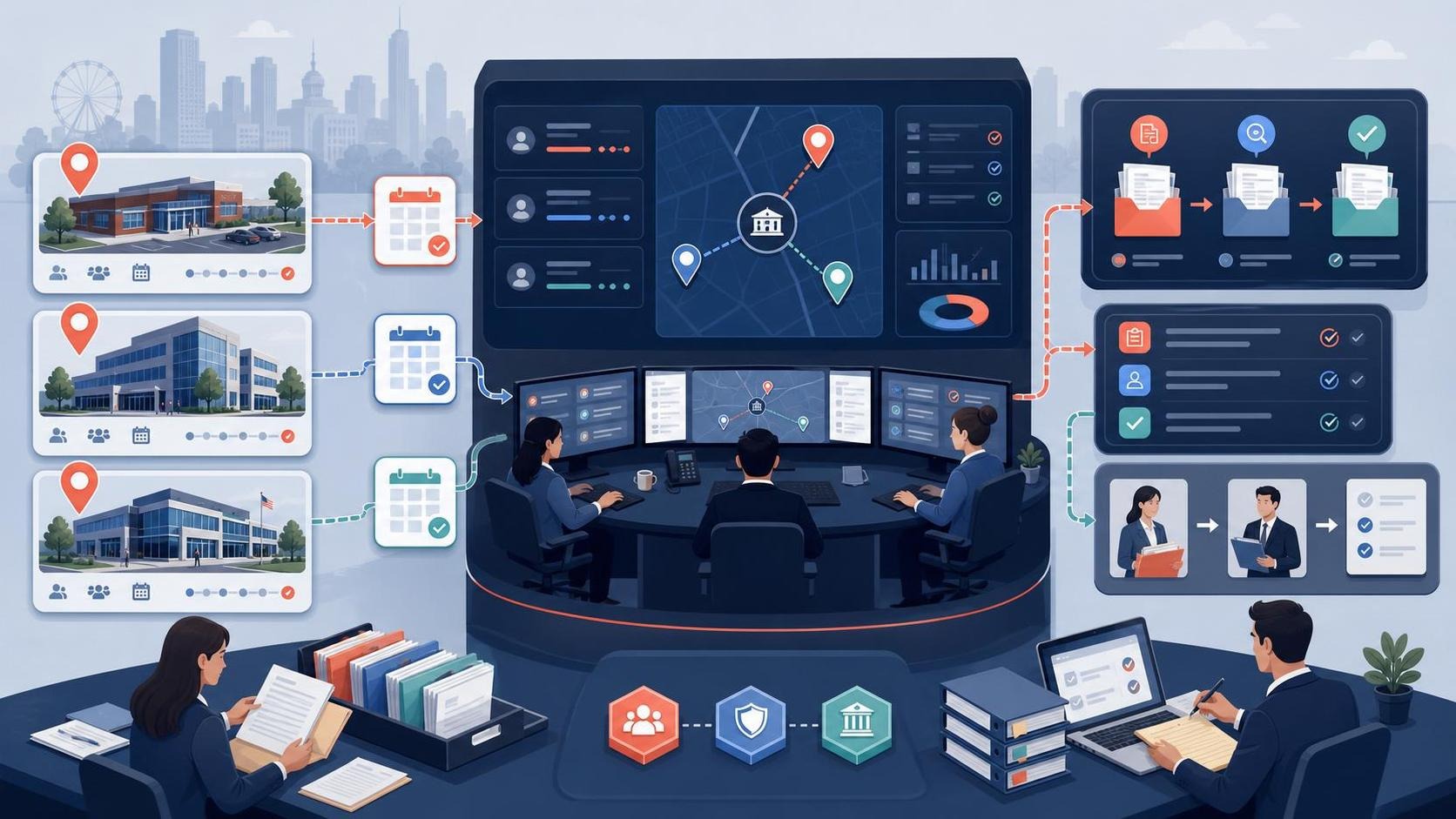
When USCIS changes interview operations, firms usually feel it first as operational noise. A calendar shifts, venue instructions differ, packet prep assumptions break, and everyone starts looking for the latest update in a thread nobody trusts.
What the USCIS change means operationally
The Atlanta Asylum Office expansion means affirmative asylum interviews may now be conducted across three locations. For firms, that is not just a news item. It changes prep checklists, scheduling assumptions, and client communication steps.
The risk is not only missing the update. It is applying the old process to new logistics, then discovering the mismatch when a client is already preparing for an interview.
What firms should standardize immediately
Create one operations update record that captures the announcement date, effective date, affected office, venue implications, and any document or prep changes that staff need to follow. Then link every affected matter to that update.
That prevents teams from translating the same USCIS notice differently in six places. Interpretation drift is expensive, and it tends to arrive wearing confidence.
Update the interview-prep workflow, not just the knowledge base
A good response is procedural: tag affected cases, refresh interview-prep tasks, confirm location-specific instructions, verify packet assembly requirements, and set a review check before any client-facing guidance goes out.
This is where a clean workflow beats a clever memo. People do not need to remember the change if the system routes work correctly.
Where AI can help
AI can summarize the USCIS announcement, compare it against the firm’s current asylum interview checklist, identify likely process gaps, and generate a first-pass list of affected matters or prep tasks for staff review.
It should not invent policy. It should make the operational delta obvious so legal and ops teams can respond faster.
What to measure after a process change
Track time from operational update to checklist update, percentage of affected matters reviewed within the target window, packet completeness before interview, and the number of client follow-ups caused by venue or prep confusion.
Those are the metrics that tell you whether the change was absorbed or merely announced.
A practical rollout sequence
First, confirm the official USCIS details and freeze one internal version of the update. Second, identify every Atlanta-linked affirmative asylum matter. Third, refresh the prep checklist and assign owners for review. Fourth, require attorney signoff before updated instructions go to clients.
The order matters. If client comms go out before the workflow changes, the team creates more cleanup than clarity.
Why this matters beyond one office update
Operational changes expose whether a firm runs on process or memory. The firms that adapt cleanly are not guessing faster. They have a system for converting agency updates into case-level action.
That capability matters far beyond Atlanta. USCIS will keep changing details. The goal is not to predict every shift. It is to absorb them without drama.
A simple control to prevent bad client guidance
Before any updated interview instructions are sent, require one review step that confirms the matter is actually affected and the prep checklist matches the current office guidance. That one gate catches a lot of avoidable nonsense.
It is the operational version of checking the airport before driving to the gate. Basic, but strangely important.
Why this matters for asylum operations
Asylum interview prep already carries enough urgency. When office logistics change, scattered workflows create last-minute confusion for staff and clients at the worst possible time.
A structured update-and-review process keeps the firm faster, calmer, and less dependent on whoever happened to read the USCIS post first.
InceptionAI helps immigration firms turn agency updates into operational workflows, so interview-prep changes get absorbed through process instead of panic.