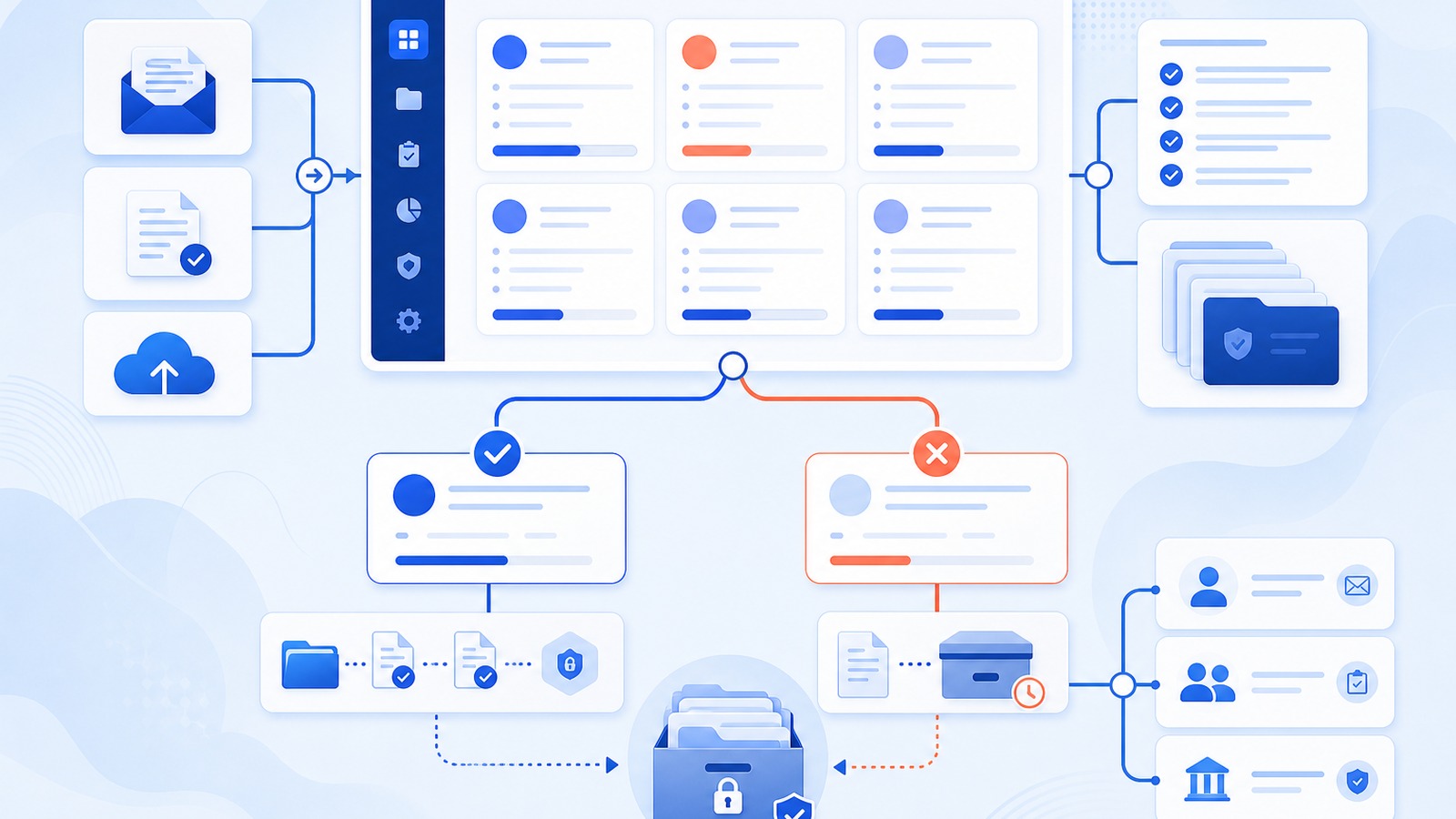
USCIS saying the FY 2027 H-1B cap is reached is not the finish line. It is the starting gun for cleanup work, evidence preservation, candidate communication, and internal triage. Teams that treat the cap notice like a status update usually spend the next two weeks chasing screenshots, fixing duplicate trackers, and answering the same Slack question twelve different ways.
The better move is boring in the best way: lock the record, separate winners from non-selected registrations, preserve everything that will matter later, and push one clear status packet to HR, legal, recruiting, and managers. Immigration operations gets ugly when nobody owns the tail. This is how to own it.
What breaks after the cap notice
Most teams have three versions of the truth at once: the attorney tracker, the HR spreadsheet, and the manager's memory. That is how non-selected beneficiaries stay in active queues, evidence packets get overwritten, and next-step emails contradict each other.
The common failure pattern looks like this:
- Cap-subject and cap-exempt candidates stay mixed in the same working view.
- Registration outcomes live in screenshots, exported CSVs, and inbox threads instead of one canonical record.
- Supporting evidence for selected beneficiaries is not frozen before teams start editing active folders for petition prep.
- Recruiters and managers get status pings at different times, so candidates hear conflicting stories.
The closeout workflow that actually helps
You want one repeatable closeout run, not heroics. The flow below is the version I would standardize.
What to preserve before anyone starts editing
If your team has ever asked "wait, what did the original registration say?" halfway through petition prep, you already know why this matters. Preserve the inputs before the next wave of work mutates them.
- USCIS registration confirmation and selection result
- Passport, degree, and prior status evidence used for the registration decision
- Role, salary, and work location details that were communicated internally
- Candidate contact history for missing documents or corrections
- Any duplicate-registration notes or entity-level decision records
Where automation earns its keep
This is exactly the sort of workflow that should not depend on people remembering the next step. A decent automation layer can classify selected vs non-selected cases, trigger missing-document requests, generate a stakeholder-ready summary, and keep the evidence archive structured by beneficiary and matter.
That removes the dumbest category of work: copying status updates across systems and manually building packets from scattered folders. Nobody should be doing digital archaeology because a spreadsheet won a turf war.
A practical handoff checklist
- Confirm the final selected-beneficiary list and employer mapping.
- Validate duplicate cases and note whether any entity coordination is still pending.
- Create the petition-prep checklist for each selected candidate.
- Archive non-selected cases with the right disposition reason.
- Send one internal memo with owners, deadlines, and missing inputs.
The goal is not speed, it is clean state
Fast teams are usually the ones with clean operating state. Once the H-1B cap is reached, the winning move is not reacting louder. It is turning a messy alert into a structured operational handoff that your attorneys, coordinators, and HR partners can trust.
If your current process still runs on screenshots, spreadsheet side quests, and heroic memory, fix that first. The petition stage will punish every sloppy shortcut you leave in the system.